From Alert to Action: Agentic Workflows for Emergency Response
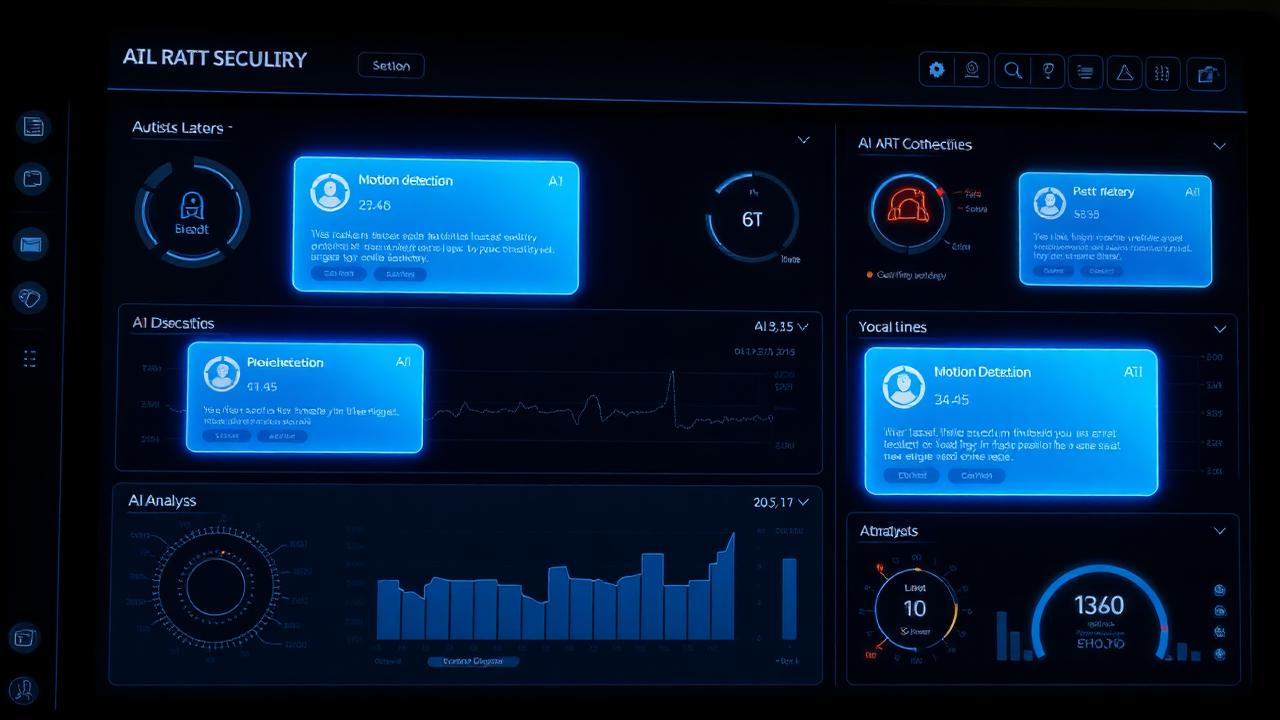
Most security teams do not suffer from a lack of alerts. They suffer from too many alerts and too little time to act on them. Motion alarms fire all night, operators tune them out, and the one event that matters gets lost in the noise.
Autonomous security fixes the part that comes after detection.
What an agentic workflow looks like
When dtectr AI detects a threat, it does not just send a notification. It runs a workflow:
- Detect: an agent identifies a firearm, a fall, a forced door, or suspicious behavior
- Verify: human verification confirms the event, eliminating false alarms before anyone is dispatched
- Respond: your protocol runs, from lockdown and mass notification to police dispatch
- Investigate: a SitRep with timeline, imagery, and location is generated automatically
Response on your terms
Every organization responds differently. A hospital may notify its internal security team first. A school may trigger lockdown and alert law enforcement at the same moment. A clinic may sound a loudspeaker warning to deter someone at the door after hours. dtectr AI follows the protocol you define, the same way every time.
Seconds, not minutes
In a violent incident, response time is measured in lives. By removing manual steps between detection and dispatch, agentic workflows give responders the location and context they need while the situation is still unfolding.
Fewer false alarms, more trust
Because every event is verified before escalation, teams stop ignoring alerts. Partners report dramatic reductions in false alarms, which means officers and staff trust the platform when it does call for action.
Detection is where security starts. Response is where it pays off.