Natural language
Search with operational questions such as “show everyone who entered Gate B after 10 PM” instead of building rigid filters.
02 / Investigative search
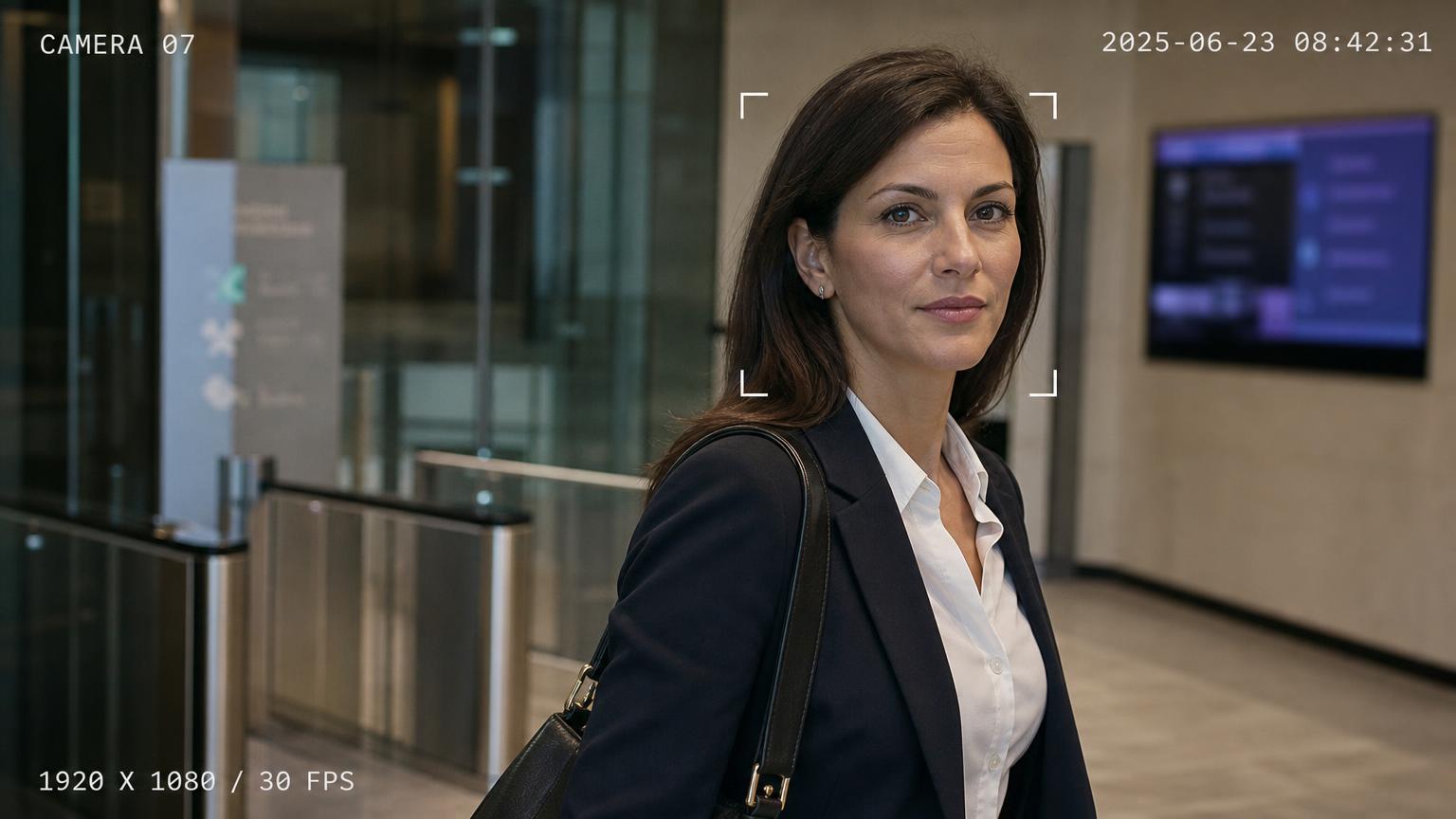
Search people, objects, behaviors, and timelines in plain language. Agentic AI video analytics turns fragmented footage into a usable investigation across cameras and locations.
Plain English
Natural-language queries
Cross-camera
Subject correlation
Visual
Attribute filtering
On-prem
Private indexing
01 / What it does
Operators describe what they need. The search agent translates intent into visual evidence while retaining the time, place, and camera relationships that make it useful.
Search with operational questions such as “show everyone who entered Gate B after 10 PM” instead of building rigid filters.
Match authorized people or approved watchlists while keeping biometric processing within the on-premises environment.
Collect relevant clips into a chronological account so investigators can understand sequence, movement, and duration.
Follow relevant subjects and events across cameras, buildings, and disparate systems through one cohesive investigative view.
02 / Operational flow
One connected workflow preserves context instead of handing operators another isolated alert.
Describe the person, object, behavior, location, or time window in normal language.
The agent searches indexed visual events across authorized camera feeds.
Matches are grouped by subject, place, and chronology rather than returned as noise.
Investigators inspect the strongest evidence and export a usable event sequence.
03 / Operational value
Investigative search helps teams move from a question to supporting footage without manually reviewing every camera and every minute.
Search people, clothing, vehicles, objects, and behavior
Build incident timelines across multiple cameras
Keep footage and indexes under customer control
Give response teams evidence with operational context
Deploy with purpose