Tailgating
Recognize when an unbadged person follows an authorized employee through a controlled entry and preserve both subjects in the incident record.
03 / Suspicious behavior
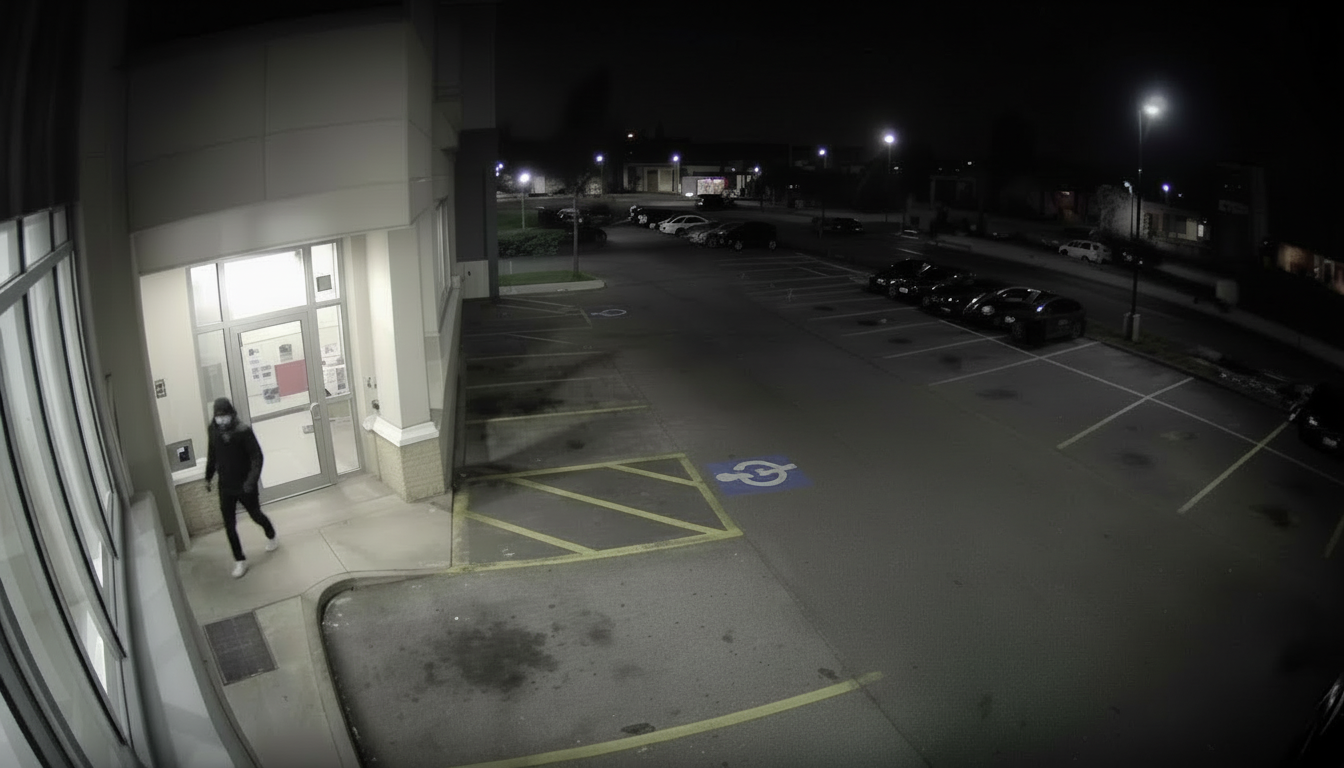
Behavior agents learn site rules and movement patterns to identify tailgating, loitering, perimeter breaches, falls, and other activity that requires attention.
Adaptive
Site-aware rules
Zone-based
Policy enforcement
Cross-camera
Behavior context
24/7
Continuous awareness
01 / What it does
Not all movement is risk. The behavior layer evaluates duration, direction, access, location, and nearby activity before deciding what deserves attention.
Recognize when an unbadged person follows an authorized employee through a controlled entry and preserve both subjects in the incident record.
Measure dwell time in entrances, loading zones, perimeters, and other defined areas while applying site-specific thresholds.
Detect after-hours movement, restricted-zone entry, fence-line activity, and unusual approaches before a breach progresses.
Surface falls, crowd formation, fights, and other human activity that may require security or medical response.
02 / Operational flow
One connected workflow preserves context instead of handing operators another isolated alert.
Set zones, schedules, access rules, and behavior thresholds for each environment.
Agents track movement and duration without requiring continuous human monitoring.
Activity is compared with surrounding people, cameras, and site policy.
Qualified events move into the appropriate verification and response workflow.
03 / Operational value
Site-aware behavior detection gives operators fewer, stronger signals and a clearer reason why each event matters.
Detect tailgating and unauthorized entry
Apply dwell-time rules for loitering
Monitor restricted zones and after-hours movement
Share context with detection and response agents
Deploy with purpose